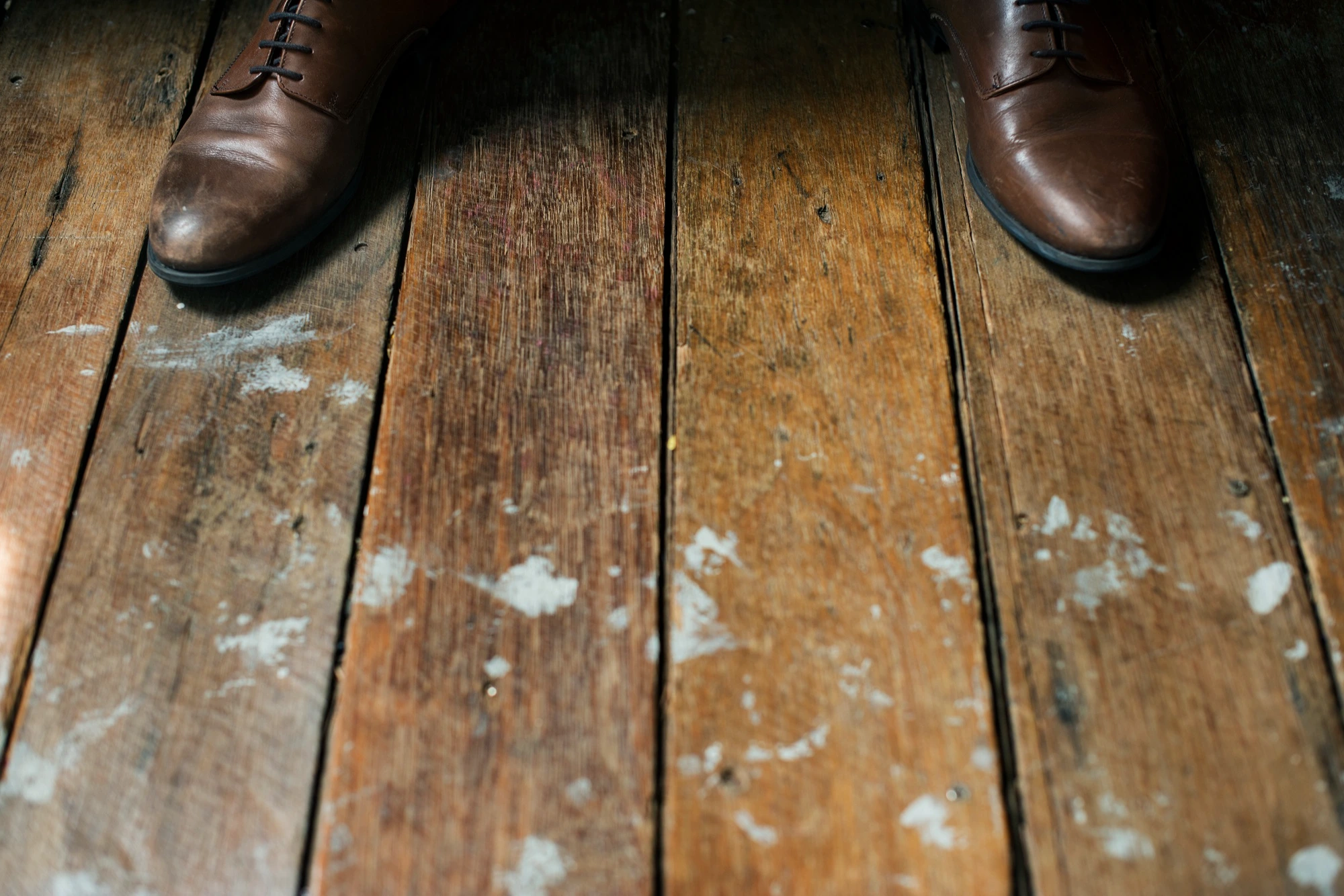
Fall brings shorter days, crisper air, and more than a few mysterious creaks as you walk across your hardwood floors. That familiar squeak isn’t just an annoyance, it can signal changes in humidity, installation issues, or structural concerns that merit attention.
The good news: many of these seasonal creaks can be eased or eliminated through refinishing, which restores stability, seals the surface, and delivers a quieter walking experience.
This guide explores why squeaky hardwood floors are more common in fall, what causes them, and how refinishing your floors can make your home feel and sound better through the colder months ahead.
Why fall triggers more squeaks
Hardwood flooring is sensitive to seasonal changes in temperature and humidity. During fall, indoor heating dries out the air, causing wood to lose moisture and shrink. As the boards contract, gaps form, and the increased movement allows boards to rub against each other or fasteners, producing that all-too-familiar squeak.
If your floors are relatively quiet in spring and summer but noisy in the fall, this seasonal contraction is likely the main culprit.
Common causes of squeaky hardwood floors
In addition to seasonal shifts, several structural and installation-related factors can make floors squeak:
- Loose nails or fasteners: over time, fasteners can pull away from joists, allowing boards to flex and move.
- Subfloor separation: if the subfloor detaches slightly from the joists or the adhesive weakens, gaps form beneath the boards.
- Gaps between boards: dry air causes visible and invisible gaps, making planks shift with every step.
- Improper installation: if boards weren’t secured properly or if fasteners missed joists during installation, creaking is almost inevitable.
While many of these issues can be addressed with repairs, floor refinishing offers long-term relief, especially when seasonal dryness is the trigger.
Temporary fixes for squeaky floors
If you’re not ready to commit to refinishing just yet, here are some short-term strategies:
- Use a humidifier to restore moisture balance indoors. Keeping indoor humidity between 35% and 50% helps stabilize wood movement.
- Apply a dry lubricant like talc or powdered graphite between floorboards to reduce friction.
- Install area rugs in high-traffic zones to dampen sound and reduce movement.
- Screw down from below: If accessible from a basement or crawlspace, subfloor reinforcement using special floor squeak kits may help.
Keep in mind: these are temporary measures and won’t address surface damage or finish degradation contributing to the issue.
How refinishing solves the problem
Refinishing hardwood floors involves sanding down the surface to a smooth, even layer, filling any gaps or cracks, and applying a fresh protective sealant. This process does more than restore visual appeal, it also addresses several mechanical causes of squeaking.
Here’s how:
- Smooths uneven boards
Sanding removes minor height variations that contribute to squeaking when planks rub against each other.
- Fills minor gaps and cracks
Professional refinishing includes filler application that stabilizes the space between boards and reduces friction.
- Re-seals and protects
A fresh coat of polyurethane or water-based sealant locks moisture out and keeps boards more stable during seasonal humidity changes.
- Improves floor-to-subfloor bond
During refinishing, loose boards can be inspected and reattached as needed, preventing movement that causes sound.
By the end of the refinishing process, your floor isn’t just quieter, it’s cleaner, more resilient, and ready for the demands of fall and winter.
When to refinish instead of repair
While some squeaks can be fixed with lubricants or reinforcement, others require refinishing to truly resolve:
- The squeaking is widespread across multiple rooms.
- Boards are visibly worn, cracked, or gapped.
- There are finish scratches, discoloration, or uneven wear.
- You plan to host guests for the holidays and want your floors looking and sounding better.
In these cases, refinishing is both a practical and aesthetic investment.
Is fall a good time to refinish hardwood floors?
Yes, fall is an ideal season for refinishing because:
- Humidity levels are moderate, which helps new finishes cure properly and reduces the chance of new gaps forming.
- You’ll enjoy the results throughout winter, when floors are most visible and heavily used.
- You’ll eliminate squeaks before guests arrive, which improves comfort and appearance during gatherings.
Just be sure to keep your home’s humidity stable afterward to maintain the results.
Why homeowners choose The Original Floors for quiet, beautiful floors
The Original Floors has helped hundreds of families across Cape Cod restore their hardwood floors to silent, stunning condition. Our refinishing process is designed with both comfort and performance in mind:
- Free in-home evaluations to identify squeak sources.
- Dustless sanding that protects air quality.
- Low-VOC, fast-curing sealants that hold up to Midwest winters.
- Repairs and stabilization included as part of the service.
- Fast turnarounds to get your home ready for the holidays.
- 1-year service warranty for long-term peace of mind.
Whether you’re tired of midnight squeaks or prepping for holiday guests, we’ll help you enjoy quieter, cleaner, and more beautiful floors, season after season.
Don’t let your floors echo with every step. Schedule a hardwood refinishing consultation with The Original Floors and enjoy a quieter, cozier home before winter sets in.
CTA: Book online to get expert advice
Fast service, and premium care from your local flooring specialists.